From real-world use cases to process innovation
THE Ò-BLOG
Industrial AI for the Food Industry

17 September 2025
Reading time: 3 minutes
Artificial intelligence is not the solution to everything, but in some sectors it becomes essential. The food industry is one of these, where product variability, complex production processes, and diverse operating conditions make traditional computer vision systems based on fixed rules or preset thresholds less effective.
Classic machine vision works well when the object being inspected is always identical and when the possible defects or anomalies are fully known. In these cases, it’s easy to create a defect catalog and configure the vision system accurately.
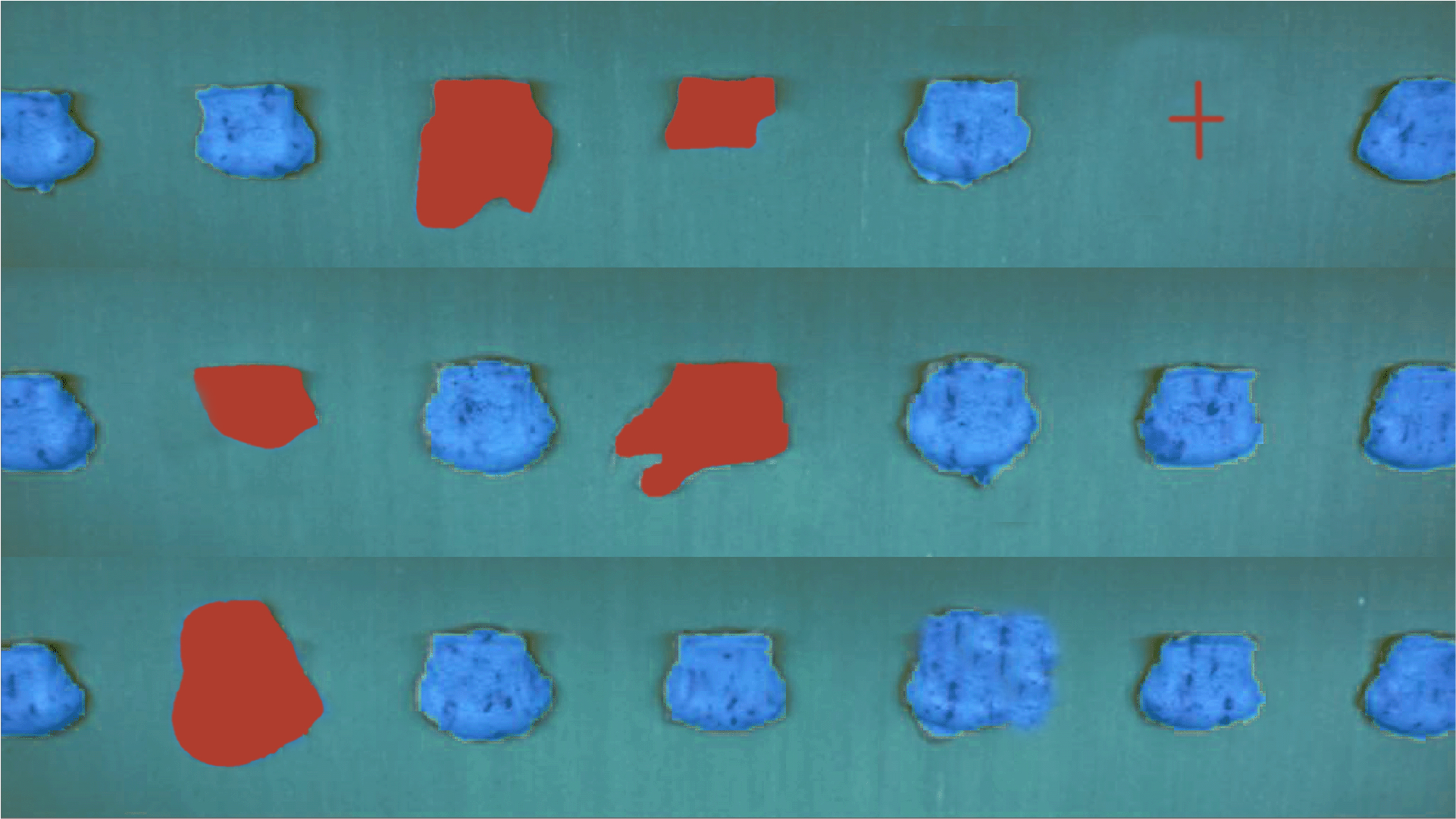
The food sector is different: no two products are exactly alike. A cheese wheel may have subtle shape variations, while ravioli filling can vary slightly in color and distribution. In such scenarios, threshold-based systems often generate false rejects (flagging natural variations as defects) or fail to detect real anomalies outside the rigid parameters.
This is where AI for quality control comes into play. Using deep learning and advanced anomaly detection, AI models learn directly from production data to distinguish acceptable variations from real defects, without manually coding every rule. In other words, they adapt to the product instead of forcing it into rigid patterns. This approach not only improves inspection reliability but also allows greater flexibility when introducing new products or handling format changes, without rebuilding the inspection system from scratch.
The result? Fewer false rejects, fewer machine stoppages, and less waste: delivering a more consistent and reliable quality control process.
Challenges in the food industry
Food production is unique in its complexity and variability. Companies must address:
- inherent variability of raw materials and finished products, never exactly identical;
- numerous process parameters to monitor and correlate in real time;
- complex machinery composed of multiple components, each with its own dynamics;
- the constant need to reduce waste while ensuring food safety and quality across the entire production line.
At Orobix, we have tackled these challenges alongside our clients, testing Industrial AI solutions and measuring their impact in real production environments. From ensuring correct cheese packaging, to predicting dry pasta quality, and supporting service teams in accessing complex technical documentation, every project has helped us refine tools and methodologies, proving that AI can effectively manage product variability.
From these experiences, proprietary technologies have evolved, including AI-go and QualyFruit for image analysis, detectiv.ai for time series analysis, and tekiDOC for conversational technical documentation management. These are not just products—they are components for building custom AI solutions tailored to the real needs of production processes.
Field experience: how AI enhances production
Our expertise is backed by real-world projects with food producers and machine manufacturers. Examples include:
- Fresh cheese – Quality control and packaging: segmentation and anomaly detection models analyze shape and detect surface defects (cracks, holes, granulation) before packaging. Results: 100% non-destructive quality control, improved anomaly detection under high variability, and the ability to adjust machine parameters quickly to reduce waste
- Dry Pasta – Humidity prediction, color control, and technical assistance: AI predicts moisture levels, predictive maintenance algorithms anticipate critical machinery failures, and a Generative AI chatbot helps technicians access complex documentation. Results: reduced time and resource waste, increased productivity, and immediate support for the service team.
- Filled pasta – Filling quality control: AI-powered vision system verifies correct filling placement, distinguishes good products from rejects, reduces false positives, and simplifies format changes. Results: higher efficiency and food safety.
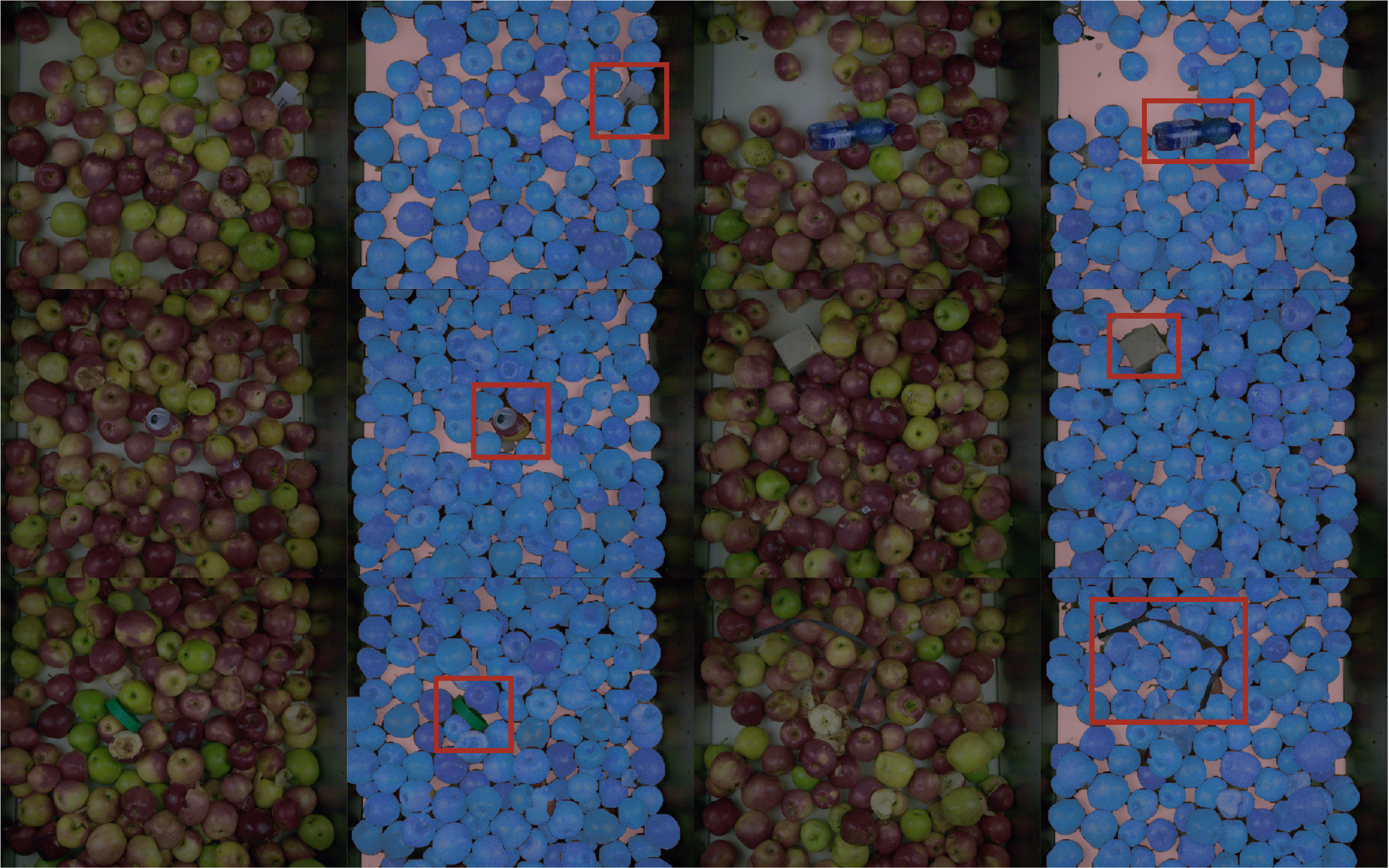
- Fresh vegetables – Foreign object detection: segmentation model identifies foreign objects of any type, even without a reference catalog. Results: more reliable inspections and reduced contamination risk.
Towards smarter, more efficient food production
Implementing AI in the food industry goes beyond quality control: it means rethinking entire production processes, optimizing resource use, and increasing sustainability.
At Orobix, we combine advanced technical expertise, complex project management, and in-depth food sector knowledgeto guide companies through practical AI innovation.
👉 If your company wants to explore how Industrial AI can transform food production, contact us: ✉️ info@orobix.com
We’re ready to build your next project together!
