How the lack of objective load data limits efficiency and blocks innovation
THE Ò-BLOG
The Blind Spot of Logistics
February 24, 2026
Reading time: 3 minutes
In recent years, logistics has become one of the primary drivers of competitiveness for industrial companies and large-scale retail organizations. Efficiency, speed, and adaptability directly impact margins and service levels.
Yet, at one of the most critical stages of the process, vehicle loading, many organizations still operate without real data visibility.
Approximate measurements, incomplete information, manual estimates: what physically happens in the warehouse often does not match what is recorded in enterprise systems. The result is a logistics operation that functions, but struggles to improve in a structured and scalable way.
Want to understand how load visibility can become a concrete competitive advantage? Download our in-depth technical paper.👇
The Paradox of Modern Logistics
Today, ERP, MES, and WMS platforms are increasingly advanced. They support optimization algorithms, advanced simulations, and predictive analytics.
The paradox is clear: technologically mature systems fueled by unreliable data.
When load data is not objective and traceable, the impact propagates across the entire operational chain. Vehicle space is not fully utilized, and decisions are based on assumptions rather than measurable facts. In this context, even the most promising innovation initiatives tend to stall at the operational level.
The issue, therefore, is not downstream technology. The real limitation lies upstream: operational reality not converted into reliable data.
Vehicle Loading: The Blind Spot of Logistics
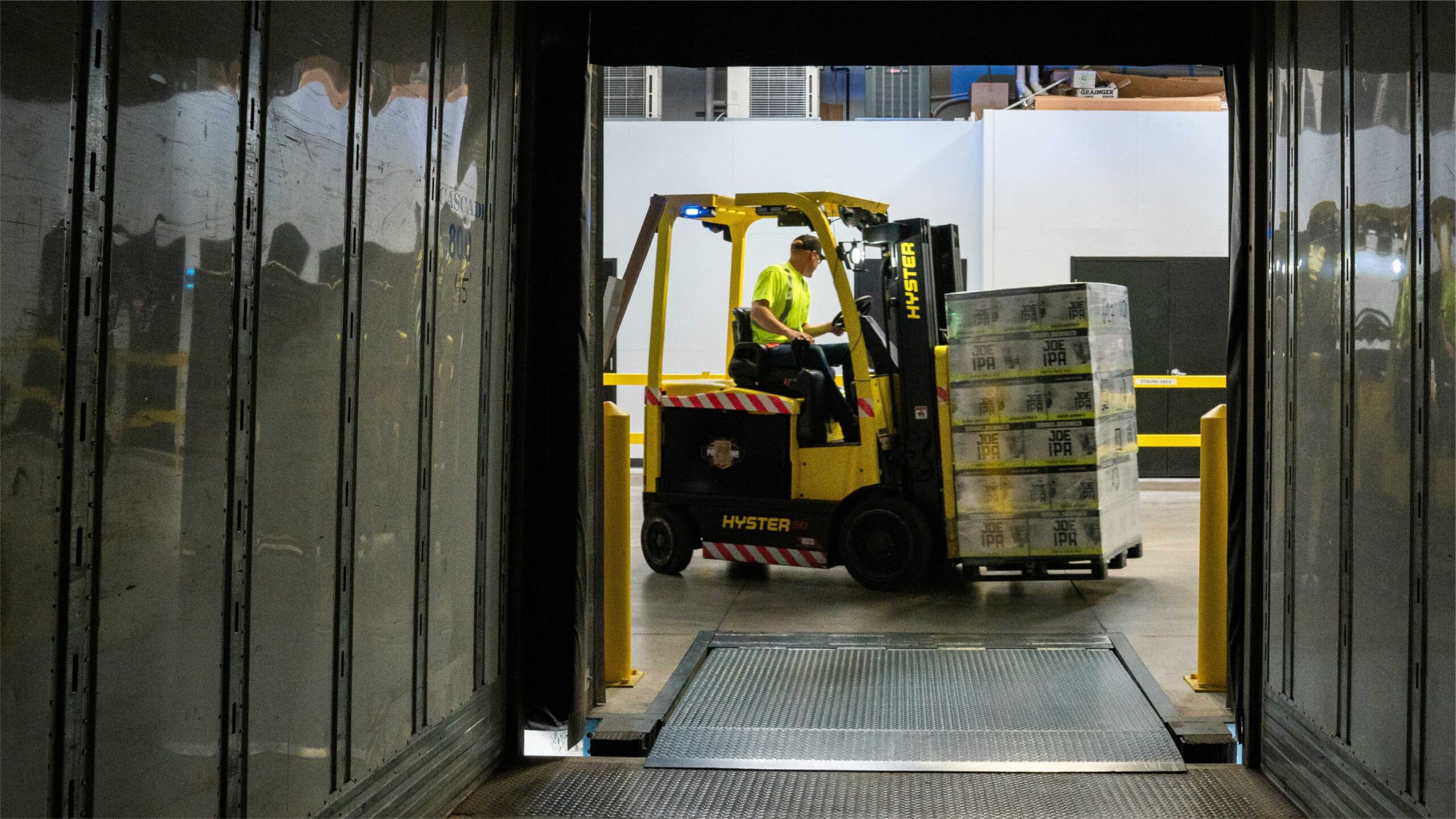
Loading takes place in a complex environment: tight schedules, moving vehicles, operators focused on execution and safety. In these conditions, requiring manual measurements or additional data entry is not only inefficient—it is often unrealistic.
This is where many digital transformation projects fail. They demand process changes that are difficult to sustain, introduce extra tasks for operators, or impose new routines that are gradually bypassed. The result is natural resistance to innovation and a return to experience-based estimates, with a progressive loss of trust in data.
Innovating Without Changing Operations
Today, logistics innovation can succeed only if it follows a fundamental principle: it must not interfere with daily operations.
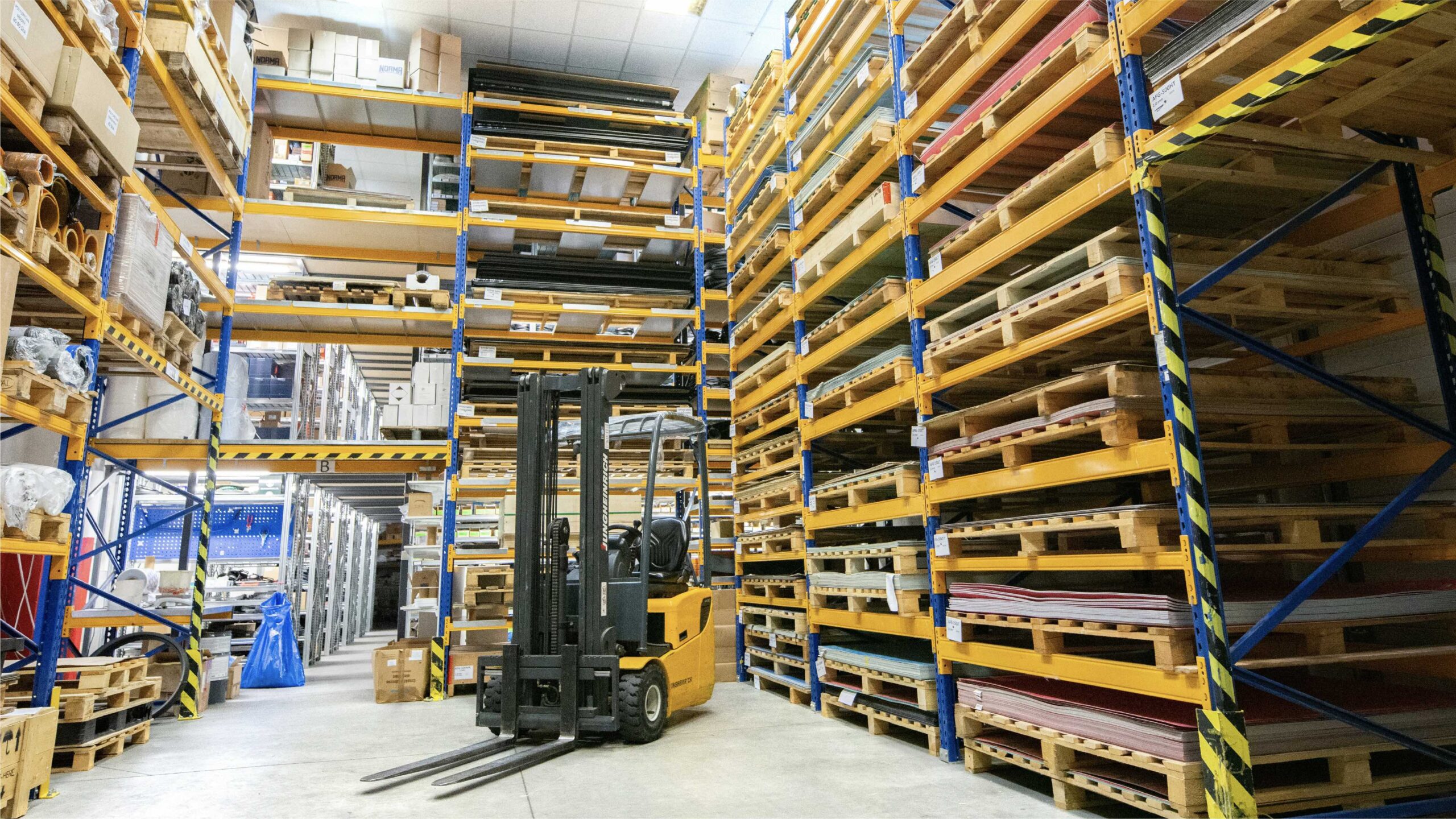
Truly effective solutions integrate into existing processes without modifying them. They require no additional training, do not depend on manual input, and seamlessly integrate with existing fleets and enterprise systems.
Only under these conditions can data remain reliable over time and be used to drive measurable operational improvements.
When Data Becomes a Strategic Asset
Having real load data does not simply mean “measuring better.” It means building a precise and traceable historical dataset, comparing planned versus actual execution, and enabling continuous optimization logic.
In this scenario, inefficiencies that once remained hidden become visible and actionable. Digital systems stop being passive recording tools and evolve into decision-making engines.
Discover how to integrate objective data into operational decisions. Download our in-depth technical paper.👇
Why Now Is the Right Time
As highlighted by McKinsey in the 2025 report “Future of Warehouse Operations”,
“The digital transformation of logistics is no longer an option, but a strategic necessity to remain competitive in the global market and maximize operational efficiency.”
Companies that bridge the gap between real operations and digital systems gain a structural advantage that is difficult for late adopters to recover.
The question is no longer whether to innovate, but where to start.
AI-go Reader Was Created to Address This Need
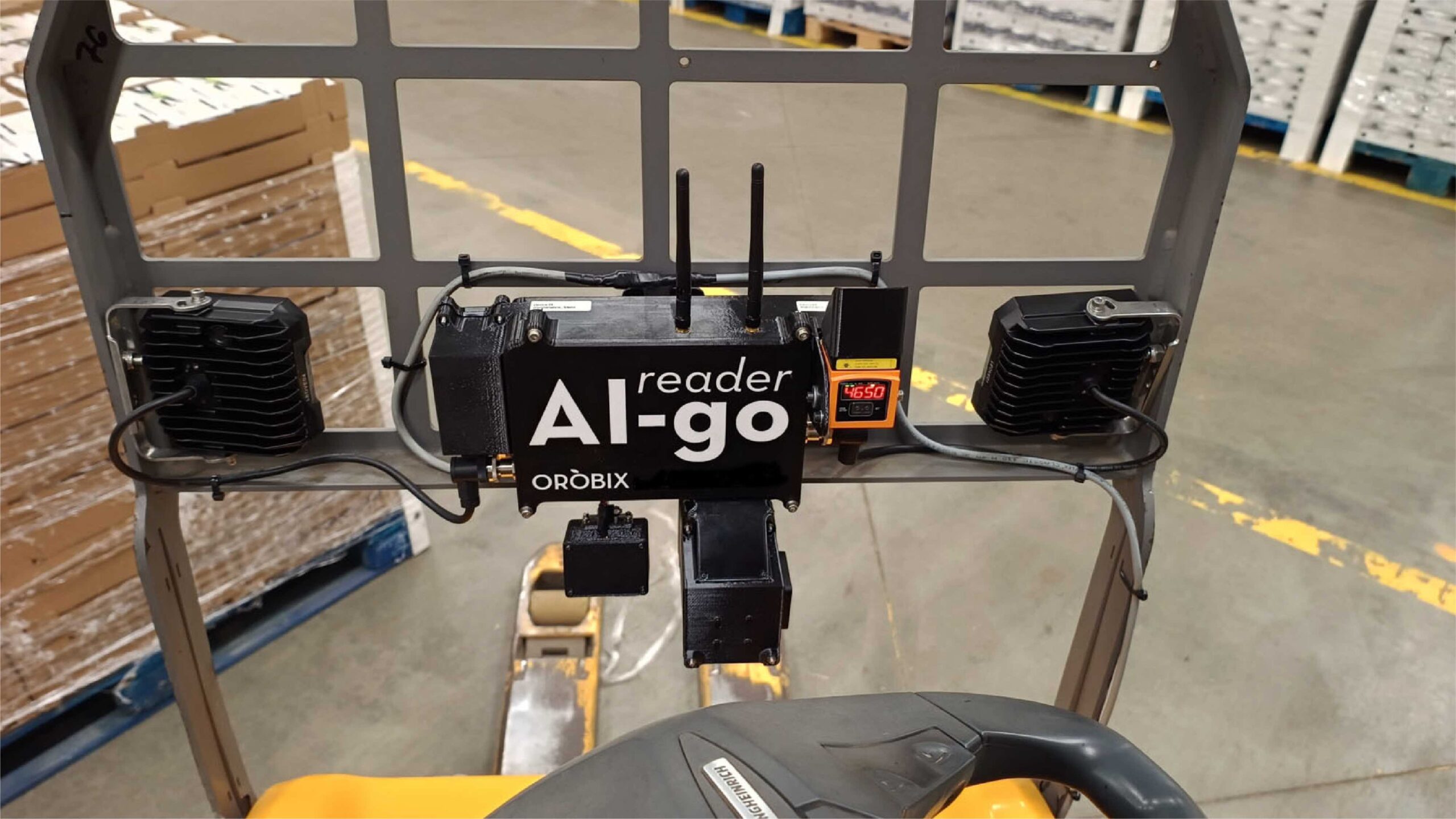
AI-go Reader was designed to answer a simple yet crucial question: How can every loading operation be transformed into reliable data without changing the way people work?
By bridging the gap between what happens on the field and what digital systems can manage, AI-go Reader enables logistics operations that are more efficient, measurable, and future-ready.
The system automatically captures and converts each load into structured, immediately usable data, without interrupting operations and without requiring operator intervention.
Its value is built on three key principles: accurate and traceable data, unchanged operational workflows, innovation that is truly enabled.
This balance makes it possible to feed ERP, MES, and WMS systems with reliable information and to build, over time, a solid historical database to support decision-making.
AI-go Reader is designed for logistics companies, vehicle manufacturers, and system integrators seeking to embed artificial intelligence into automation processes, creating tangible value starting from data.
Ready to Transform Your Logistics?
Discover how AI-go Reader can support your innovation journey with a personalized technical consultation, a pilot project with measurable KPIs, and a tailored ROI analysis.
Get in touch and start building a data-driven logistics operation 📩: info@orobix.com
