Tangible benefits for end-users and machine builders
THE Ò-BLOG
AI in Food Production
February 5, 2026
Reading time: 3 minutes
Higher quality, less waste, processes under control.
In food production, these are not slogans, but daily objectives challenged by product variability, complex equipment, and increasingly tight margins.
Artificial Intelligence is becoming a key enabler to address these challenges pragmatically: not by disrupting existing production lines, but by improving process control, product quality, and support for the people operating the equipment.
In this article, we explore the tangible benefits of AI for two key players in the food industry value chain:
- food manufacturers (end-user)
- machine and plant builders (machine builder)
Would you like to explore real-world use cases, solution architectures, and measurable results? Download 👇 our technical document.
The real challenges of food production today
Anyone working in the sector knows this well: complexity does not only lie in volumes, but in the intrinsic nature of food products and production processes.
Some recurring challenges include:
- high natural variability (shape, color, texture, non-repeatable defects);
- traditional quality control approaches, often based on rigid thresholds or sampling;
- non-conformities detected too late, when scrap has already been produced;
- existing production lines that are difficult to modify, with space constraints and downtime limitations;
- complex equipment, with fragmented technical documentation and know-how concentrated in a few experienced operators.
This is where AI, when designed for real industrial environments, can make a difference—enabling the transition from reactive to preventive process control.
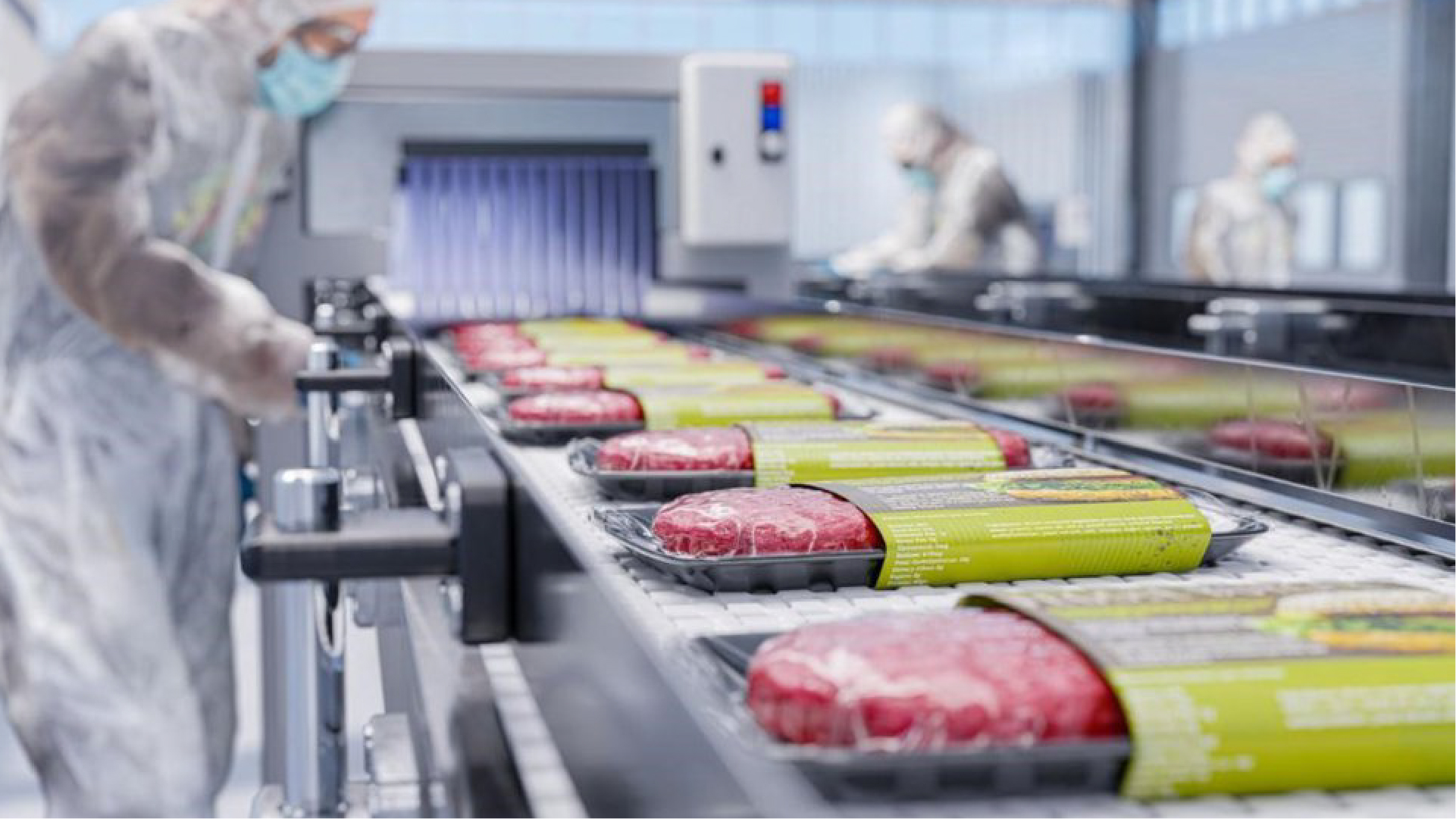
Benefits of AI for end-users
For food manufacturers, Artificial Intelligence creates value when it is embedded into real production processes.
- Quality control on 100% of production
Vision systems and AI models enable continuous, non-destructive inspection, even in the presence of high product variability. - Reduction of waste and non-conformities
In-line analysis makes it possible to detect process anomalies before they turn into non-conforming products. - Real-time process monitoring
Anomaly indicators support targeted interventions on machine parameters. - Operator support
Intelligent access to technical documentation reduces errors, intervention times, and dependency on individual experience. - Integration on existing lines
Solutions designed for retrofit allow fast ROI without disrupting current installations.
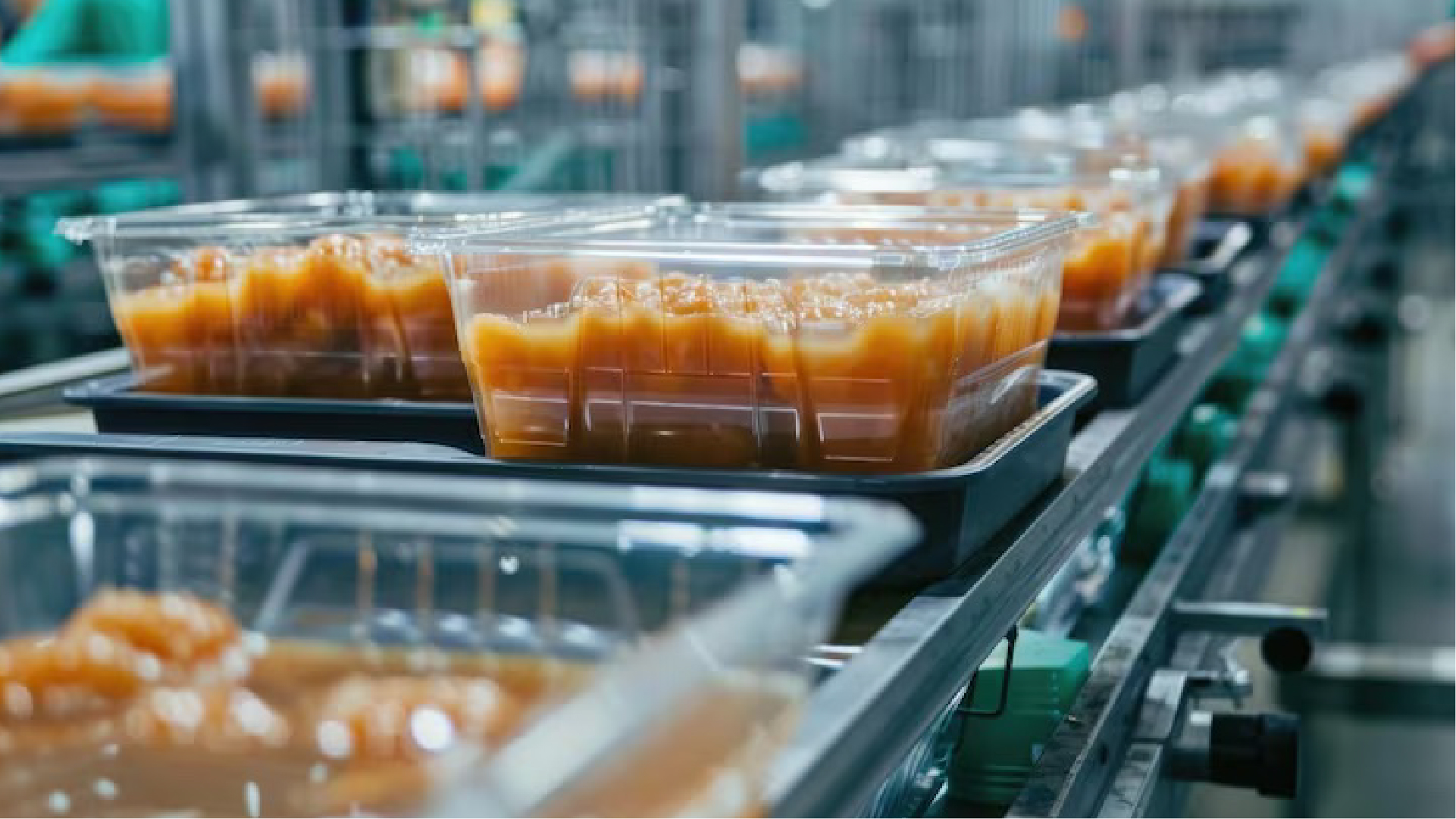
Benefits of AI for machine builders
For machine and plant builders, AI is not just a feature, but a strategic enabler.
- Technological differentiation
Machines capable of adapting to real product variability deliver tangible competitive advantages. - Reduced time-to-market
Industrialized AI solutions accelerate the development of new functionalities. - New digital services
Advanced quality control, monitoring, and maintenance support extend the value proposition beyond the machine itself. - Full control over the technology
Solutions can be adapted to specific machine configurations and end-customer requirements.
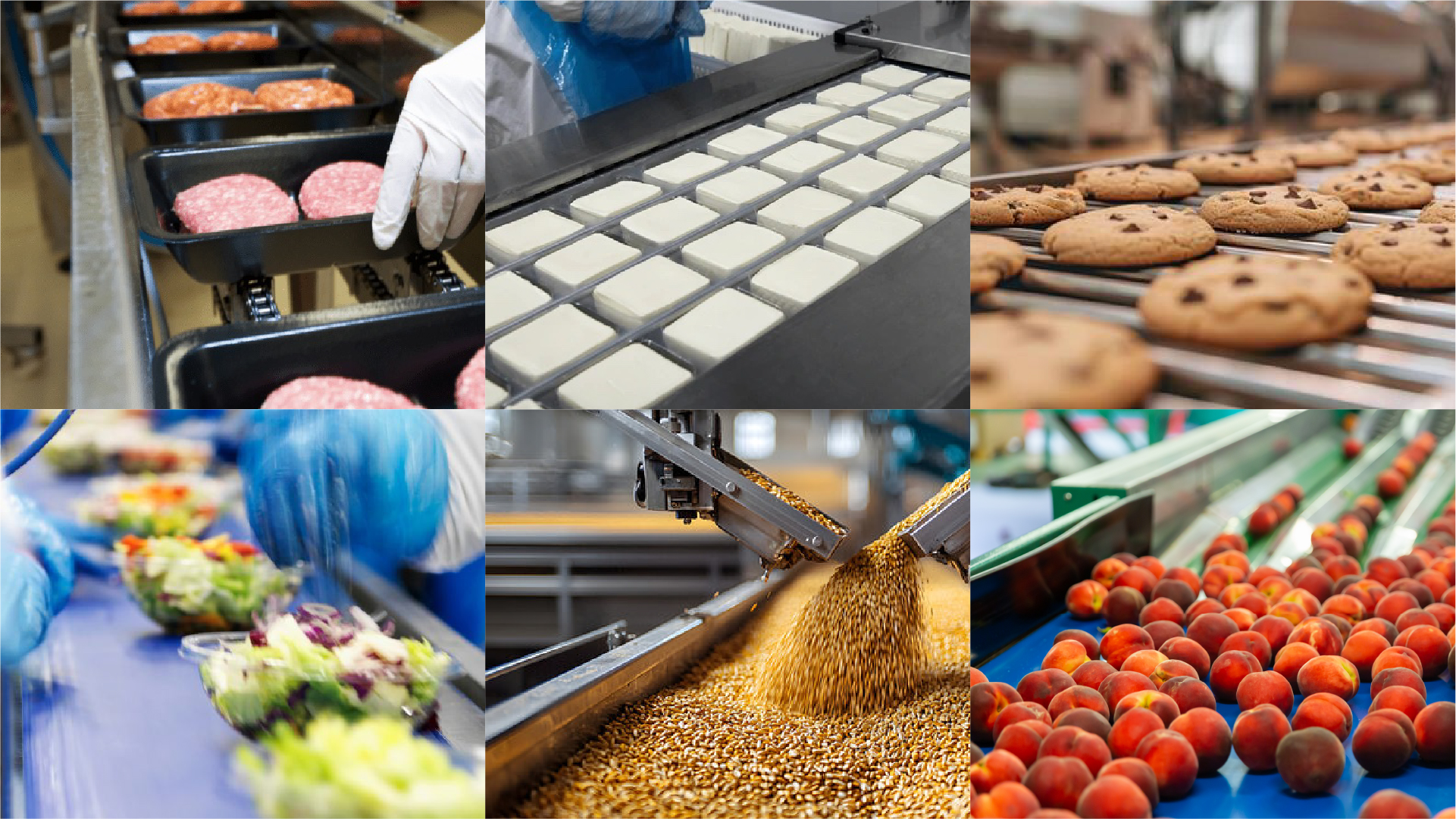
Where AI creates value: application examples
Without going into technical details (covered in the technical document), here are a few representative examples:
- Quality prediction in complex production lines
AI enables the detection of process drifts and supports operators in managing high-complexity lines. - Aesthetic quality control of food products
Vision systems installable in retrofit allow continuous monitoring of product appearance, even in highly variable contexts. - Anomaly and foreign object detection
AI overcomes the limitations of traditional systems by identifying anomalous elements even without a predefined defect catalog.
You can access the full case studies, including problems, solutions, and results, by downloading 👇 our technical document.
An end-to-end AI approach for the food industry
We design complete solutions, from hardware to software, integrated into real production environments:
- industrial vision systems and sensors;
- advanced Artificial Intelligence models;
- support for machine operation and maintenance.
An approach designed for both end-users and machine builders, covering the entire production process.
If you operate in the food industry, as an end-user or a machine builder, and want to understand how to apply AI to your production processes, 📩 contact us for a demo and a technical discussion: info@orobix.com
